



Lavator Plasty
3D pelvic floor correction
An approach to urinary incontinence correction that addresses the pelvic floor muscles.
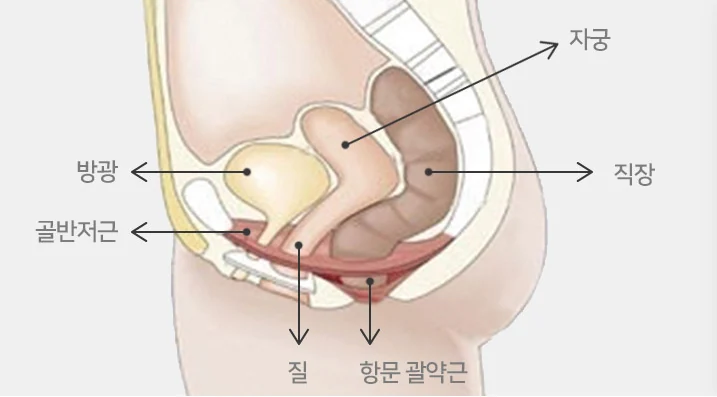
Pelvic floor muscles · vagina · anal sphincter
Pelvic floor muscles (PFM)are muscles at the base of the pelvis that support the urethra, bladder, vagina, uterus and rectum, preventing these organs from descending.
By tightening the anus, vagina and urethra, they also play important roles in urination, bowel movements and sexual function.
A key cause of incontinence and voiding dysfunction “Pelvic floor muscle relaxation”
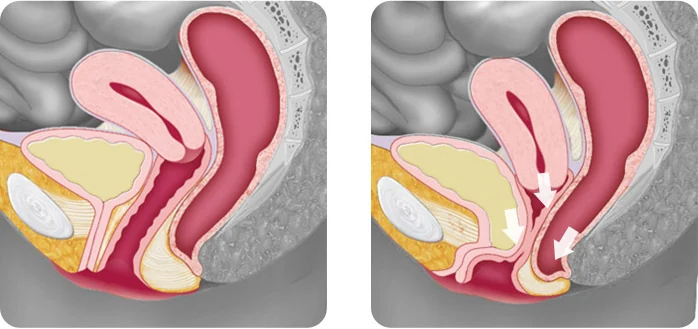
Normal pelvic anatomy
Uterovaginal prolapse
Childbirth, aging or genetic factors can stretch the pelvic floor muscles, allowing the urethra and bladder to descend in association with uterovaginal prolapse. As urethral and bladder function deteriorate, voiding dysfunction can develop.
3D pelvic floor correction

correction
laser correction
mesh repair
sling surgery
Pelvic floor muscle laser correction
Laser correction addressing relaxed pelvic floor muscles
This surgery corrects relaxed pelvic floor muscles with a laser. It is described as a key treatment for preventing recurrent incontinence and voiding dysfunction while maintaining normal female genitourinary function.
Mesh repair for bladder prolapse
Special medical mesh to substantially reduce recurrence!
Special medical mesh is implanted beneath the bladder for permanent support. The original text describes this as a simple and safe technique that greatly reduces recurrence.
Midurethral sling surgery
A procedure that supports the central area beneath the urethra with synthetic mesh tape
The special tape used at 안산부인과 (AHN Gynecology) can be repositioned for 2–3 days after surgery, unlike other products. The original text describes this as enabling complete correction of urinary incontinence.
correction
Incontinence correction + improved bladder function + improved sexual function
Three operations are performed together to address urinary incontinence and improve bladder and sexual function.
Correcting all damaged areas according to the anatomical levels of the vagina, 3D pelvic floor correction provides functional and structural treatment.
Understanding incontinence and voiding dysfunction
Leave misconceptions behind: learn accurate information from urogynecology specialists.
Urogynecology: specialist care for female incontinence and voiding dysfunction
Urogynecology is a subspecialty of obstetrics and gynecology focused on incontinence and voiding dysfunction; there are still relatively few specialists in Korea. At the aHN’s clinic, two specialist doctors provide accurate diagnosis and individualized medication, exercise therapy and surgery according to each patient’s condition.
Can incontinence surgery alone have a high failure rate?
When planning incontinence surgery, even a small bladder prolapse should be corrected; the source states that otherwise recurrence may be high. It advocates assessing pelvic floor relaxation and combining appropriate surgical correction with medication to address the underlying cause of voiding dysfunction.
How does conventional vaginal tightening differ from pelvic floor muscle laser correction?
Conventional perineoplasty, often called vaginal tightening surgery, corrects the vaginal opening damaged by childbirth. Pelvic floor muscle laser correction reconstructs not only the perineum but also the damaged vaginal wall and the muscles surrounding the vagina.
Special Center for Incontinence Surgery
The original text states that experience in pelvic floor anatomy and cystocele repair using synthetic mesh led to recognition as a hospital specializing in bladder prolapse and incontinence surgery.
“
Recognized treatment
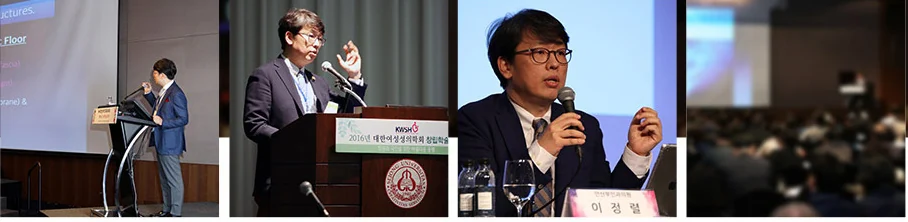
Presentations at societies including 대한산부인과의사회 (Korean obstetricians and gynecologists association) and 대한여성성의학회 (Korean women’s sexual medicine society)