



Uterine fibroids
A common benign uterine condition.
Regular examinations help accurately assess the location, number and size of fibroids, making early treatment important. Submucosal fibroids may cause excessive menstrual bleeding, so particular care is needed.
Uterine fibroids
Uterine fibroids are common benign uterine growths, most often occurring in the 30s and 40s. They may be multiple or isolated, ranging from microscopic lesions to very large tumors.
Fibroid types by location
 Subserosal fibroidIntramural fibroidSubmucosal fibroid
Intramural fibroid (intramural myoma)
Located deep in the uterine muscle, these enlarge the uterus, increase the endometrial surface area and may increase menstrual flow. Most cause no noticeable symptoms.
Subserosal fibroid (subserous myoma)
These develop just beneath the peritoneal covering of the uterus. Most cause no noticeable symptoms.
Submucosal fibroid
The original text describes fibroids beneath the endometrium as having the poorest prognosis and most complications, with bleeding possible even when small. It also states that they have greater risks of sarcomatous change, infection, suppuration and necrosis, and resistance to radiation therapy.
Symptoms of uterine fibroids
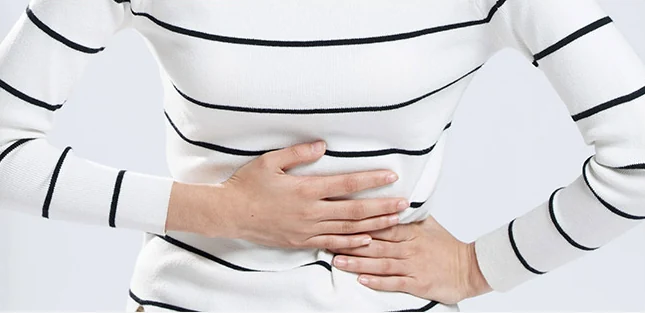
Anemia is one of the most concerning clinical symptoms of uterine fibroids.
Uterine fibroids:
clinical symptom — anemia
Submucosal fibroids can cause heavy menstrual bleeding and anemia.
Anemia may cause severe fatigue, reduced motivation, poor appetite and indigestion,
as well as memory decline, headache and other systemic symptoms.
Integrated treatment for uterine fibroids
Treatment is selected after a comprehensive assessment of symptoms and the location, number and size of the fibroids.
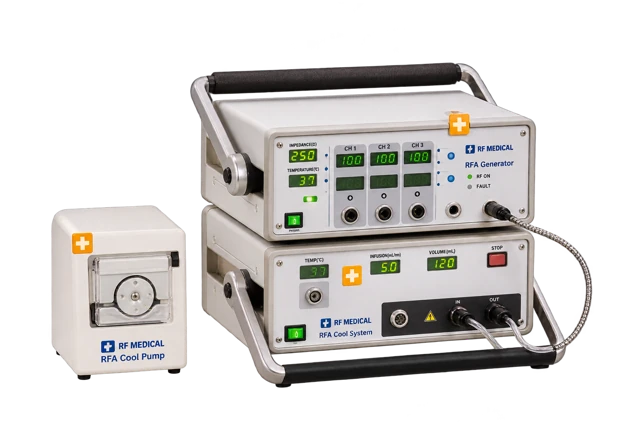
RFA (uterine radiofrequency ablation)
This nonsurgical treatment uses RFA energy to coagulate and ablate uterine lesions. Under real-time transvaginal ultrasound guidance, an electrode passes through the vagina into the lesion, where heat is generated. The lesion alone is treated while preserving the uterus without hysterectomy.
Learn more
CO₂ laser laparoscopy
During laparoscopic myomectomy, minimizing damage to normal tissue and precisely removing the fibroid are crucial. CO₂ laser laparoscopy treats the fibroid safely without damaging the uterus or ovaries.
Learn more“Do fibroids disappear or shrink after menopause?” NO!
The original text states that fibroids stop growing after menopause but do not disappear. It notes that menopausal hormone replacement for age-related changes may be harder to manage when fibroids are present, and therefore advocates active treatment even for women approaching menopause.
Fibroids should be diagnosed accurately and treated early by assessing ultrasound findings alongside menstrual patterns and overall condition. Rather than waiting because symptoms are mild or the lesion is small and later performing hysterectomy after it enlarges, regular examinations and early diagnosis and treatment can help preserve the uterus safely.
Integrated Uterine Fibroid Treatment Center
RFA is described as a safe treatment listed under national medical insurance, used widely for uterine conditions as well as liver cancer and thyroid nodules, with safety recognized internationally.
CO₂ laser laparoscopy preserves the uterus by precisely vaporizing lesions without damaging normal tissue, much like removing a skin mole. International research is described as showing that it minimizes harm to uterine and ovarian function.
“
Demonstrated safety,
high-precision surgery
- Lumenis AcuPulse CO₂ laser laparoscopy, Israel
- RFA with Cool-tip system from Covidien, USA