



Urinary incontinence and voiding dysfunction
A key cause: pelvic floor relaxation
Incontinence and voiding dysfunction
Voiding dysfunction involves complex symptoms caused by reduced urethral and bladder function. One of these symptoms, urinary incontinence, means urine leakage that occurs without voluntary control.
Daytime frequency and nocturia
Frequent urination by day or night
Stress urinary incontinence
Leakage when coughing, sneezing or exercising
Urgency urinary incontinence
Difficulty holding urine, with leakage before reaching the toilet
Other vaccines
A round bulge felt outside the vagina (a sensation of the vagina being open)
A key cause of incontinence and voiding dysfunction “Pelvic floor muscle relaxation”
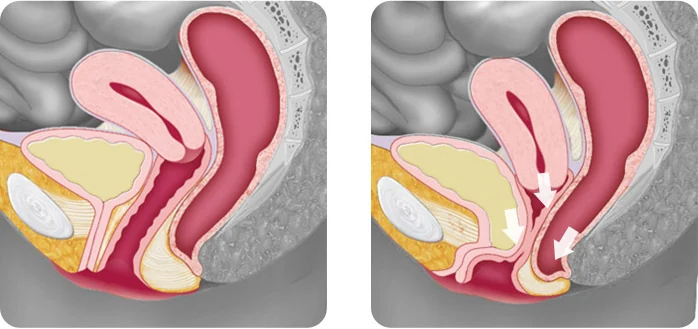
Normal pelvic anatomy
Uterovaginal prolapse
Childbirth, aging or genetic factors can stretch the pelvic floor muscles, allowing the urethra and bladder to descend in association with uterovaginal prolapse. As urethral and bladder function deteriorate, voiding dysfunction can develop.

Pelvic floor muscles (PFM)are muscles at the base of the pelvis that support the urethra, bladder, vagina, uterus and rectum, preventing these organs from descending.
By tightening the anus, vagina and urethra, they also play important roles in urination, bowel movements and sexual function.
Treating incontinence and voiding dysfunction
Medication
Appropriate medication alongside exercise therapy or before and after surgery is important. Drawing on clinical experience, we use effective and safe drug therapy for incontinence and voiding dysfunction.

Biofeedback exercise therapy
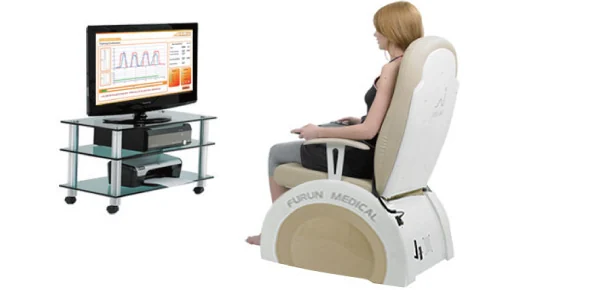
When symptoms are mild, properly performed pelvic floor strengthening exercises can provide nonsurgical treatment. After surgery for more severe symptoms, additional muscle training helps recovery.
Surgical treatment
- Midurethral
sling surgery - Bladder prolapse
mesh repair - Pelvic floor muscles
laser correction
Severe vaginal laxity requires surgical correction.
To correct vaginal laxity, all damaged areas are addressed according to the vaginal anatomical levels using 3D pelvic floor correction.
3D pelvic floor correctioncombines three operations: a midurethral sling, bladder prolapse mesh repair and pelvic floor muscle laser correction.
This reconstructs normal vaginal anatomy in three dimensions, improving incontinence, bladder function and sexual function.
Understanding incontinence and voiding dysfunction
Leave misconceptions behind: learn accurate information from urogynecology specialists.

Female incontinence and voiding dysfunction:
specialist urogynecology care
Urogynecology, a subspecialty of obstetrics and gynecology, focuses on incontinence and voiding dysfunction. There are still relatively few specialists in this field in Korea.
At aHN’s incontinence and voiding dysfunction clinic, two specialist doctors provide accurate diagnosis and personalized medication, exercise therapy or surgery based on each patient’s condition.

With incontinence correction alone,
is the chance of treatment failure high?
The source states that failing to correct even a small bladder prolapse when planning incontinence surgery greatly increases recurrence.
It advocates accurate assessment of pelvic floor relaxation and combining appropriate surgery with medication to address the underlying causes and prevent recurrence of voiding dysfunction.

Conventional vaginal tightening and pelvic floor muscle laser
correction: how do they differ?
Conventional perineoplasty, often called vaginal tightening surgery, corrects the vaginal opening damaged during childbirth.
Pelvic floor muscle laser correction reconstructs not only the perineum but the entire damaged vaginal wall and the pelvic floor muscles surrounding the vagina.
Special Center for Incontinence Surgery
Based on clinical experience in pelvic floor anatomy and cystocele repair using synthetic mesh,
the source states that the clinic was certified for specialization in bladder prolapse and incontinence surgery.
“
Recognized treatment
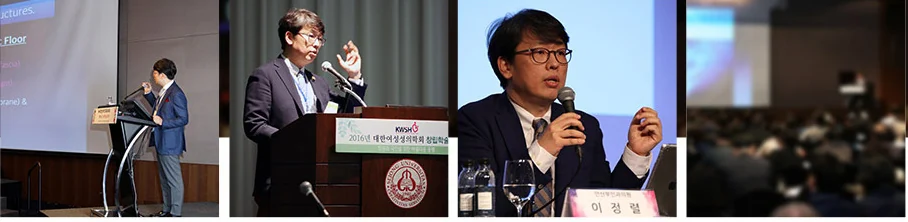
Presentations at societies including the Korean Association of Obstetricians and Gynecologists and the Korean Society for Sexual Medicine and Menopause