







Menopause is more than a passing change:
it is a condition needing active care.
Menopause refers to the stage when ovarian production of female hormones declines with age. Menopausal symptoms are the most common reason women at this stage seek medical care. These systemic changes arise from reduced female hormones and mark a stage of age-related change.
By age:
menopausal symptoms
Menopause (rapid decline in female hormones)
- Vasomotor symptoms
- Psychological / emotional symptoms
- Skin atrophy
- Genitourinary symptoms
- Osteoporosis
- Atherosclerosis
Common menopausal symptoms
- Hot flushes
- Low mood
- Sleep problems
- Joint pain
- General weakness
- Reduced skin elasticity
- Genitourinary atrophy
Menopause-related complications
Reduced cognitive function and muscle mass,
increased body fat and lower bone density
The original text cites Korean women’s life expectancy as approaching 90 years, with about 40 years or more after menopause. It emphasizes managing age-related changes to support a healthy, active later life, particularly preventing muscle loss and increasing muscle mass.
Menopausal anti-aging care
Work with a specialist to manage menopause through personalized care.
Intravenous therapy
The clinic describes an approximately five-minute intravenous infusion combining nutrients important for menopausal women, and states that it can relieve menopausal symptoms.
Exercise therapy
The original text prioritizes strength training for postmenopausal women. It states that hormonal changes make muscle gain difficult even with exercise and advocates combining muscle stimulation through exercise with hormone supplementation.
Hormone therapy
The clinic describes combining hormones with supplements for menopausal care, stating benefits for symptoms and age-related changes. It also describes high-dose vitamin D and other supplements as improving hormone absorption and helping suppress breast cancer.
Conditions listed for female hormone replacement therapy
- Age: under 60
- Uterine and breast condition: normal
- Medical history: no stroke due to thrombosis or similar condition
Placental extract therapy
The clinic describes a placental extract injection for hot flushes, fatigue, sleep disturbance, reduced skin elasticity and low mood, administered subcutaneously in the abdomen every 1–2 weeks.
Features of menopausal care at 안산부인과 (AHN Gynecology)
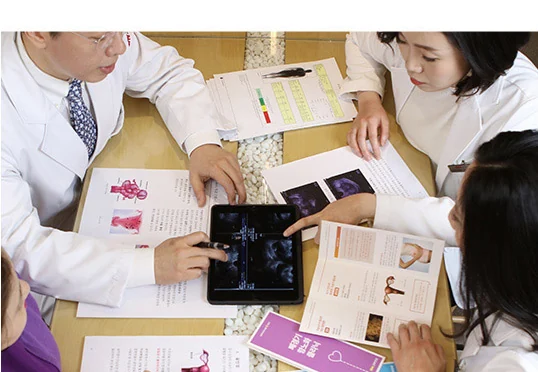
1. GE body composition analysis equipment (DXA), USA
We assess physical aging by analyzing whole-body muscle mass, body fat and bone density together, then provide individualized anti-aging care based on the results.
2. Joint gynecology and breast surgery care
Gynecologists and breast surgeons work together on detailed women’s cancer screening to support careful, safe menopausal management.
3. Personalized anti-aging care
Medication is selected according to each postmenopausal woman’s individual condition.
Check Point
Does taking female hormones cause breast cancer?
The original text states that research found little increase in breast cancer incidence among women with normal breasts taking hormone preparations and a stronger association with factors such as drinking or smoking.