안산부인과 (AHN Gynecology) is here for your women’s health concerns.
Cervical dysplasia Between normal tissue and cancerous tissue
The original text describes gradual progression over about 7–10 years and stresses treatment and prevention because it can progress to cervical cancer.
What is cervical dysplasia?
HPV, which can cause cervical cancer, leads to abnormal changes in cervical cells and tissue. The page describes this as an intermediate stage between normal and cancerous tissue.
安
Cervical dysplasia caused by HPV
It is also known as a precancerous cervical lesion and occurs at the entrance to the uterus.
UterusCervixVagina
Cause
It is mainly caused by HPV infection.
Symptoms
There are usually no specific symptoms, so it is often discovered during cervical cancer screening.
It occurs where cells from the inner cervix meet the outer cervical cells.
NormalMildSevere
安
Diagnosing cervical dysplasia
Cervical cancer test
Atypical epithelial cell changes
This refers to cells whose appearance is not normal but for which a definite abnormality is difficult to establish.
Additional tests
Liquid-based cytology · HPV testing · colposcopy
Biopsy
When high-risk HPV is found, the source describes colposcopy followed by biopsy to determine the grade of cervical dysplasia.
Colposcopy-guided precision laser treatment
After grading the dysplasia, two advanced devices are used to precisely ablate only the affected area.
Follow-up testing
The original text describes follow-up at six-month intervals when low-risk HPV is found or the test is negative.
安
Treating cervical dysplasia
The source describes colposcopy-guided precision laser treatment to destroy dysplasia without damaging the cervix.
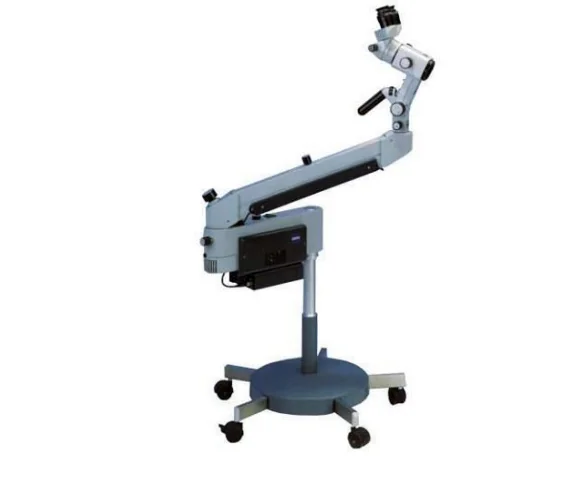
Colposcope
A colposcope from the German optics company Zeiss, described as having a 170-year history.High-quality optics magnify difficult-to-see areas up to 30 times, providing clear, precise images to assess cervical lesions.
CO₂ Laser
Advanced AcuPulse laser technology from Lumenis CO₂ Laserenables precise treatment.The source states that delicate treatment can preserve cervical volume and structure without damaging surrounding tissue.
Performed under sedation without general anesthesia
Short procedure: 30 minutes–1 hour
Return to daily activities after about 4–5 hours of rest
Minimal pain and bleeding
Excellent effects on dysplasia
安
No cervical damage! No change in cervical volume! No change in cervical length!
For safe treatment: colposcopy-guided precision laser care
No scars! No resection! Safety first!
Delicate treatment should consider cervical characteristics and avoid damage to surrounding tissue.Colposcopemagnifies hard-to-see areas up to 30 times to identify cervical lesions accurately, followed by CO₂ Laserprecise ablation of dysplasia without cervical damage.
The source states that cervical volume and length remain intact.The source presents this as a treatment different from conventional dysplasia treatments.
Does cervical cancer vaccination help prevent dysplasia?
The cervix plays an important role in pregnancy and childbirth, making ongoing care and disease prevention important.The original text cites HPV prevalence of about 80% among Korean women aged 30 and above.Persistent HPV infection may lead to cervical cancer, so continued care is important.Vaccination can help prevent cervical dysplasia and cancer.
安
Safety systems at 안산부인과 (AHN Gynecology)
1. Air filtration system
HEPA filtration is used to help prevent infection through airborne bacteria.Careful management extends to areas that cannot be seen.
2. Backup power system
Backup power is installed to support safe surgery during an unexpected power outage.
3. Sterilization and disinfection
Daily sterilization and disinfection management uses a university-hospital-level system to minimize infection, inflammation and adverse effects.